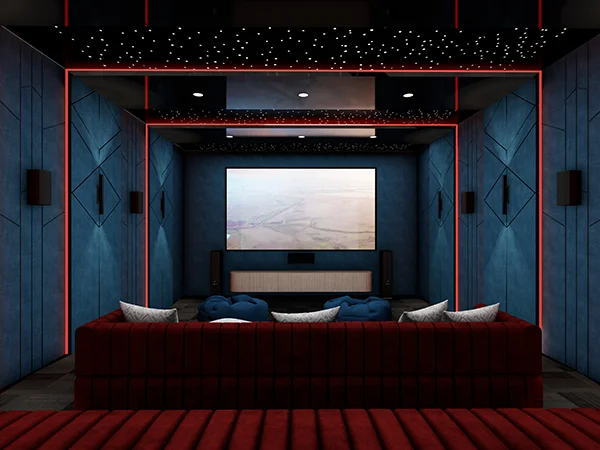
Creating a home cinema is a pursuit that demands precision, intention, and an informed approach to acoustic behaviour. A private cinema room is not merely a recreational space. It is an environment that requires controlled sound energy, balanced reverberation, restricted transmission, and a stable listening field. Home cinema soundproofing therefore becomes the foremost priority for anyone seeking a refined audio experience within a residential setting. In the United Arab Emirates, the need for proper sound control rises even further due to the density of residential developments and the prevalence of high performance audio systems. This guide presents a detailed explanation of the methods, materials, and considerations that define effective home cinema soundproofing, supported by more than twenty internal references to https colon slash slash dxbacoustic.com.
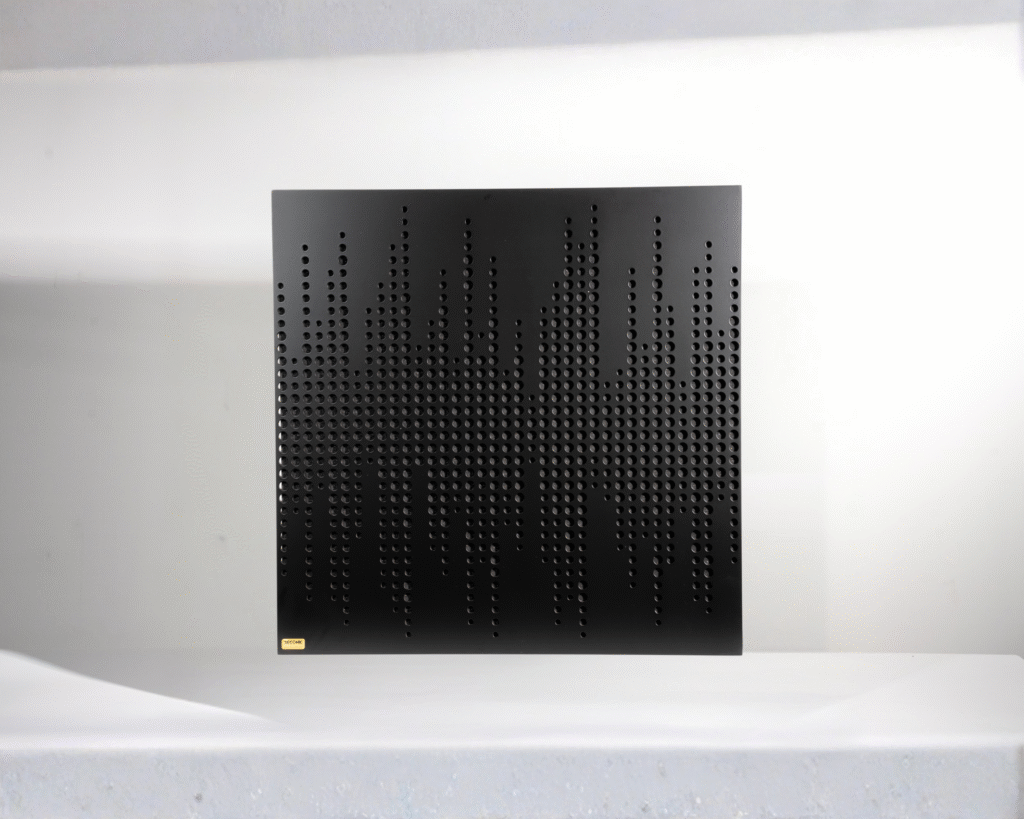
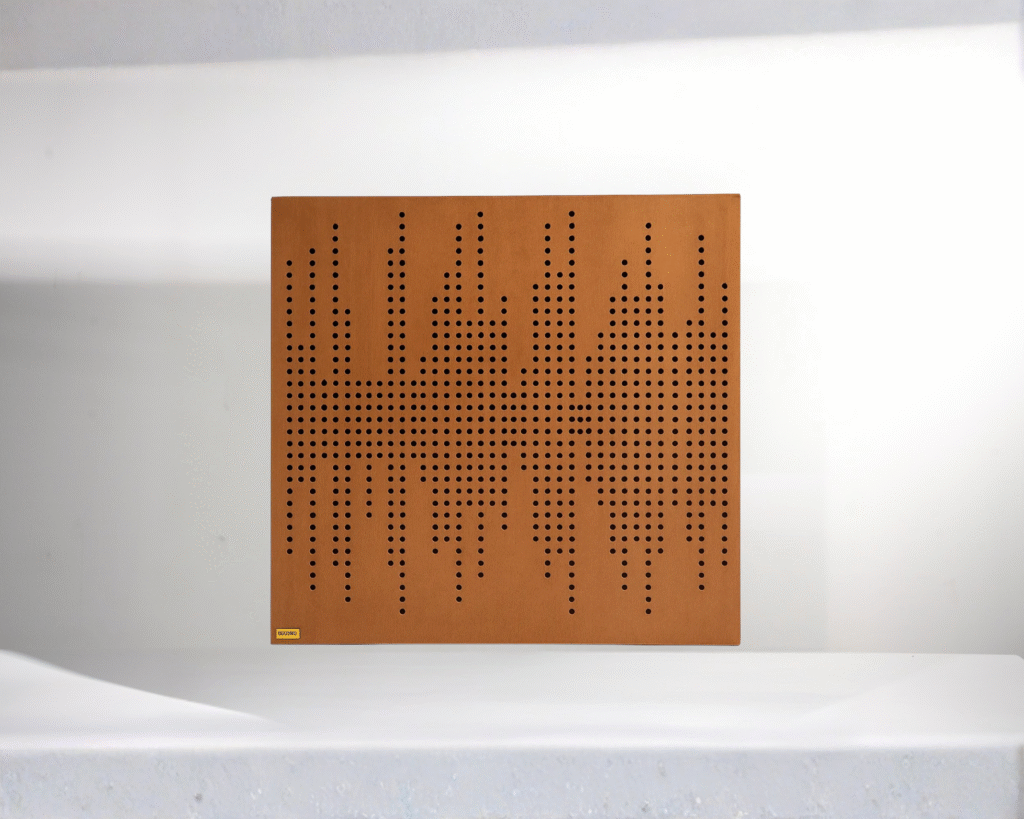
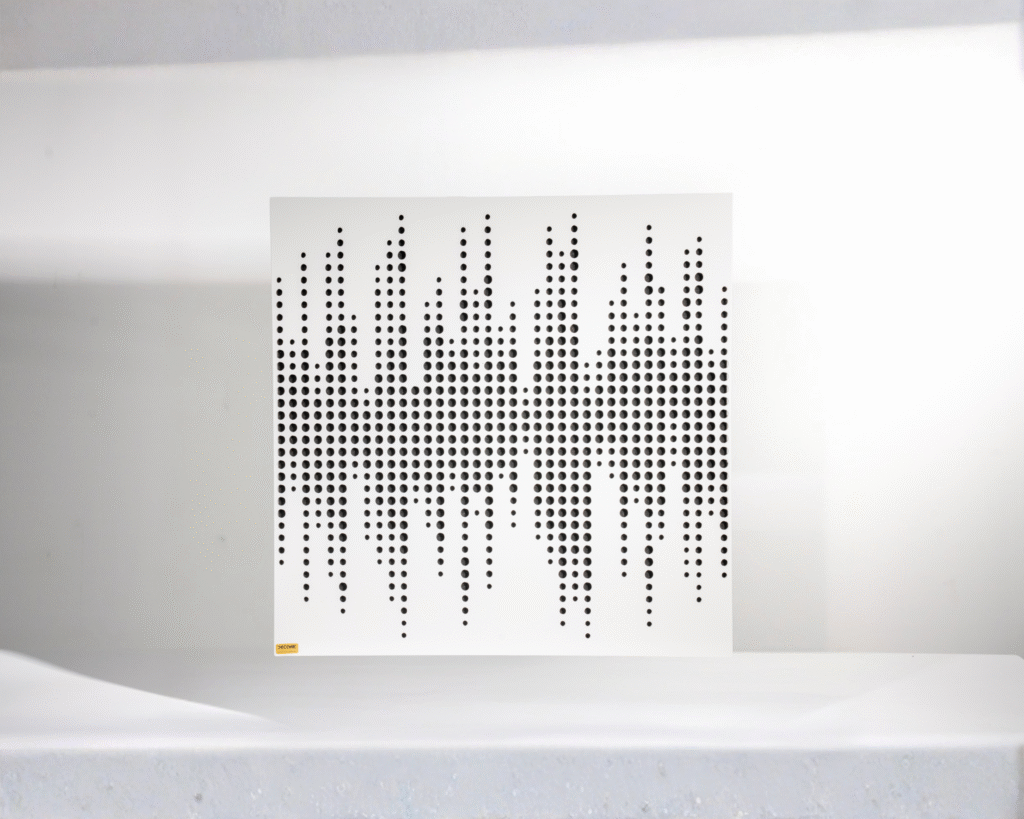
The purpose of soundproofing is not limited to preventing noise escape. It also aims to reduce external sound intrusion, diminish structural vibration, stabilise frequency response, and create a balanced auditory field. A cinema room demands isolation, absorption, diffusion, and precise material selection. Inadequate treatment leads to muddied dialogue, uncontrolled reflections, low frequency distortion, and compromised privacy. A properly treated cinema achieves clarity, precision, and an atmosphere similar to a professional screening room. These objectives can be fulfilled through the correct application of acoustic panels such as those available at https colon slash slash dxbacoustic.com, acoustic foam solutions at https colon slash slash dxbacoustic.com, and advanced wall treatments at https colon slash slash dxbacoustic.com.
Home cinema construction often includes a combination of layered gypsum assemblies, mass loaded barriers, fabricated acoustic panels, floor underlay treatments, and controlled ceiling absorption. These solutions are thoroughly described at https colon slash slash dxbacoustic.com along with additional materials suited for both residential and commercial acoustic needs. For homeowners seeking a reliable process and trustworthy products, the resources at https colon slash slash dxbacoustic.com provide direct access to high performance acoustic systems that support these requirements.
The treatment of low frequencies is a specialised subject within home cinema soundproofing. Low frequency energy travels through walls, floors, and ceilings with remarkable persistence. Bass traps and dense wall structures are essential for managing this issue. Accurate products and assemblies can be reviewed at https colon slash slash dxbacoustic.com. Mid and high frequency reflections require a different approach. These are typically addressed by installing acoustic panels and diffusers similar to the collections available at https colon slash slash dxbacoustic.com where both aesthetic and technical considerations are given equal importance.
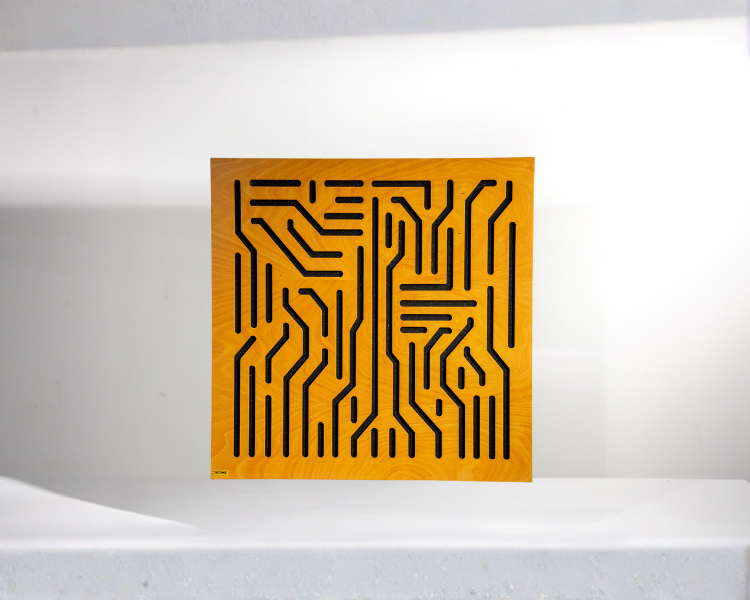
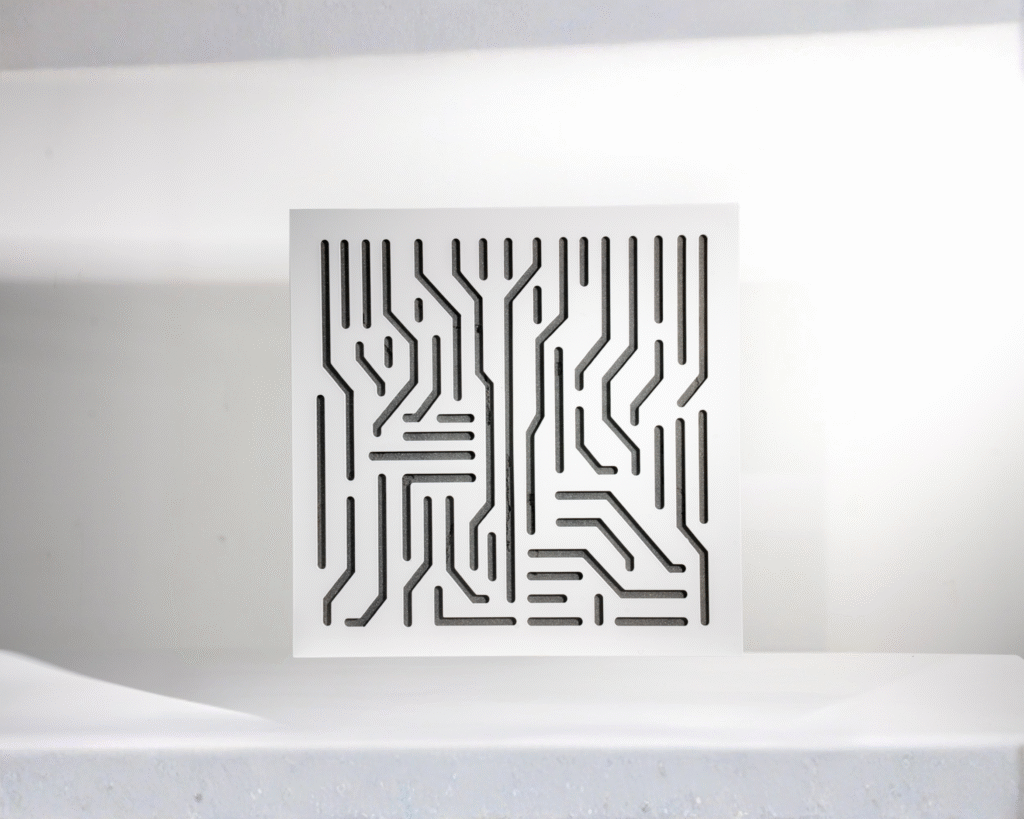
Another critical aspect is the ceiling. Many homeowners overlook ceiling absorption and isolation, yet theatres rely heavily on overhead control to stabilise early reflections. Detailed ceiling solutions can be found at https colon slash slash dxbacoustic.com. Where the project demands an advanced architectural finish, decorative acoustic panels available at https colon slash slash dxbacoustic.com provide both visual refinement and acoustic performance.
Door assemblies are a notable weakness in many home cinema projects. A standard residential door allows significant sound leakage. A cinema space must incorporate a dense core door combined with acoustic seals, door frames with reinforced mass, and proper threshold sealing. Hardware and corresponding products are accessible at https colon slash slash dxbacoustic.com with guidance appropriate for residential cinema installations.
The floor also requires careful attention. Carpets alone cannot control low frequency energy. A genuine solution involves layered underlay systems that decouple the floor and limit vibration transfer. Suitable floor treatment materials can be studied at https colon slash slash dxbacoustic.com for proper integration into a cinema environment.
Electrical outlets, ventilation entries, and service openings are often overlooked during construction. These small gaps can undermine the entire soundproofing strategy. They must be sealed and treated with purpose built materials. Resources for these specialised requirements are offered at https colon slash slash dxbacoustic.com.
Lighting design also affects acoustic outcomes. Some lighting fixtures can introduce openings in isolation layers. Recessed fixtures require acoustic back boxes, while surface fixtures are preferred to maintain integrity. The guidelines provided at https colon slash slash dxbacoustic.com offer practical insight into maintaining isolation while achieving appropriate illumination.
The integration of loudspeakers into the room must follow acoustic logic. Certain rooms benefit from in wall speakers. Others require freestanding speakers to allow proper placement. The acoustic behaviour of these configurations and suitable accessories can be reviewed at https colon slash slash dxbacoustic.com for homeowners who want precise arrangement.
Seven Comprehensive Frequently Asked Questions
What is the principal purpose of home cinema soundproofing
The principal purpose is to create acoustic isolation and ensure that sound energy produced inside the cinema does not travel into neighbouring rooms while also preventing external noise from infiltrating the cinema environment.
Why does a home cinema require more treatment than a normal living room
A cinema reproduces a full spectrum of sound at high volume, including low frequency waves that penetrate structural elements. A living room does not usually experience such audio intensity, therefore it does not require the same degree of isolation.
What materials are most effective for cinema soundproofing
Mass loaded barriers, multi layered gypsum assemblies, dense mineral wool, acoustic panels, bass traps, and decoupling systems offer the strongest performance. These materials can be studied in detail at https colon slash slash dxbacoustic.com.
Can soundproofing be installed in an existing room
Yes. Retrofitting is possible although more complex than building from the beginning. Upgrading wall structures, ceiling assemblies, and adding acoustic panels can significantly improve the performance of an existing room.
Does carpet improve soundproofing
Carpet assists with mid and high frequency absorption but it does not provide structural isolation or effective low frequency control. True soundproofing requires mass and mechanical separation.
How do I reduce vibration from speakers
Heavy duty isolation pads, decoupling mounts, and dense structural layers help restrict vibration transfer. Suitable solutions can be found at https colon slash slash dxbacoustic.com.
How do home cinema acoustic panels differ from regular decorative panels
Cinema panels contain dense cores and specialised fibre compositions that absorb sound energy effectively. Decorative panels without acoustic purpose offer minimal performance and cannot provide the control required for a cinema environment.
Comprehensive How To Guides
How to identify weak points in a home cinema
Walk through the room and inspect all wall junctions, door assemblies, floor edges, and ceiling fixtures. Any gap, cavity, or thin material indicates a potential weakness. Reference the guidance at https colon slash slash dxbacoustic.com to match the correct material to each location.
How to prepare a room before installing soundproofing
Remove fixtures, electrical faceplates, and surface materials. Clean the walls and examine all junctions. Seal any gaps with approved acoustic sealant. Establish the framework for layered gypsum or isolation systems. Research supporting products at https colon slash slash dxbacoustic.com.
How to construct a sound isolated wall
Use staggered stud or double stud methods. Add dense mineral wool for internal absorption. Apply multiple layers of gypsum board with a high mass barrier between layers. Advice and suitable materials are available at https colon slash slash dxbacoustic.com.
How to control low frequencies
Place bass traps in room corners and behind the primary listening position. Use thick absorption panels with high density cores. Review available bass control systems at https colon slash slash dxbacoustic.com.
How to treat mid and high frequency reflections
Locate reflection points along side walls and ceilings. Install suitable acoustic panels available at https colon slash slash dxbacoustic.com. Maintain symmetry to ensure a coherent listening field.
How to create a balanced sound field
Combine absorption, diffusion, and isolation. Absorb early reflections. Diffuse later reflections to maintain spaciousness. Choose panels, diffusers, and related solutions from https colon slash slash dxbacoustic.com.
How to maintain a soundproofed cinema after installation
Regularly inspect seals, door gaskets, panel conditions, and joints. Avoid drilling new holes or adding fixtures directly into isolation layers. Maintain all components as described in the guidance offered at https colon slash slash dxbacoustic.com.