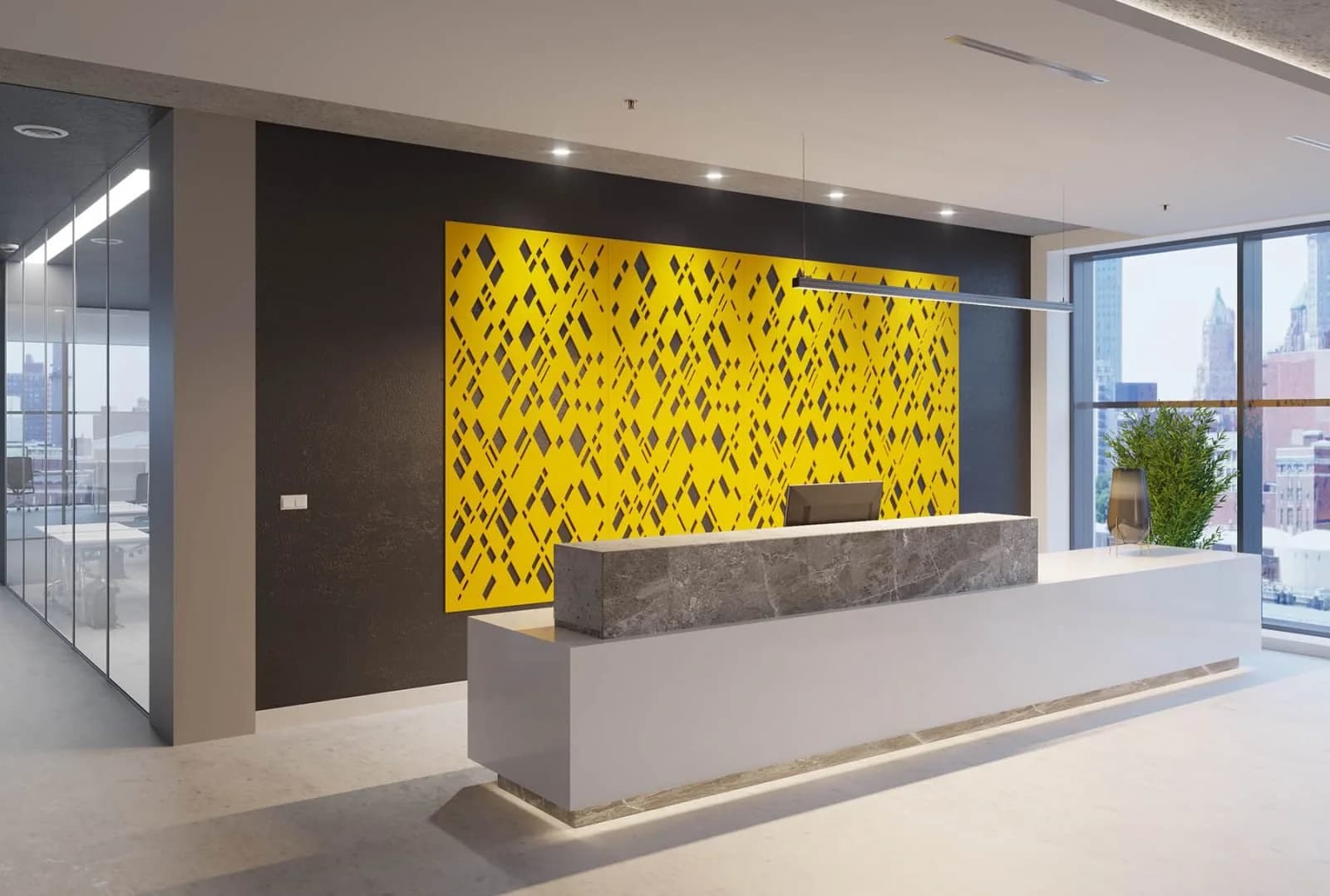
Photo 1 of 4
In Dubai, the demand for high-performance acoustic treatment has expanded beyond traditional wall and ceiling applications. A new category gaining strong interest among designers and developers is acoustic glass systems. This innovation allows architects and interior specialists to achieve both visual transparency and sound control, a combination increasingly required in modern interiors such as offices, hotels, restaurants, and residential towers.
The construction and design industry in Dubai continues to push the boundaries of both performance and aesthetics. Acoustic glass systems answer a growing need for quiet spaces that remain open, bright, and visually connected. As noise levels rise across the city, the use of specialised glazing solutions is becoming a key design priority in high-traffic areas, hospitality projects, and premium commercial interiors.
Why Acoustic Glass Systems are in Demand
Several practical reasons explain why acoustic glass systems have become essential in Dubai’s interior and architectural design:
Urban density and mixed-use development have increased background noise. Many buildings share proximity with highways, construction zones, and entertainment areas where external sound control is critical.
Luxury hospitality and residential sectors demand peace and privacy without compromising on natural light or visual openness.
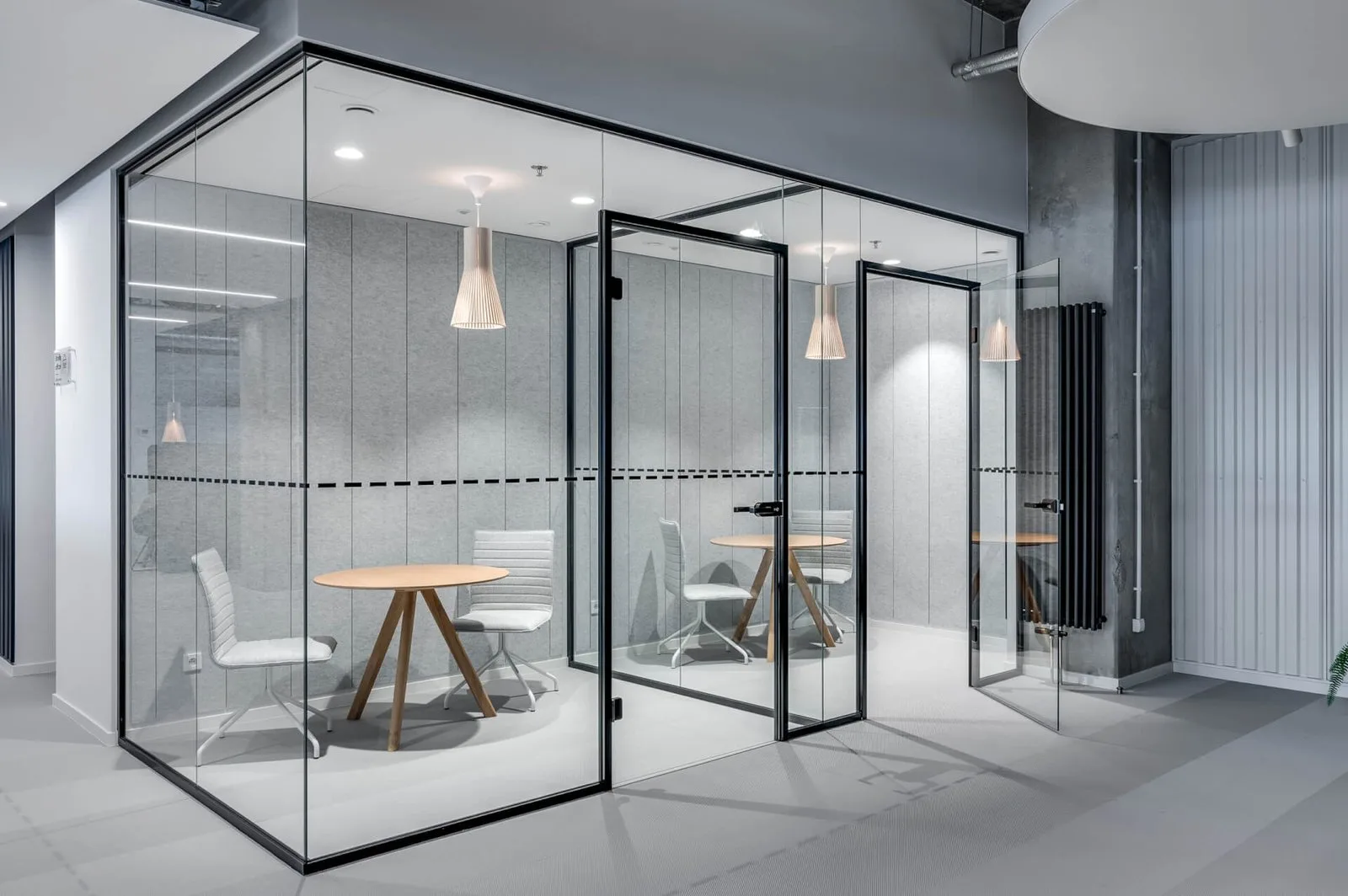
Modern office layouts use glass partitions for transparency and collaboration. Acoustic glass ensures speech privacy while preserving the open look of the space.
Sustainability and wellness standards now include acoustic comfort as a performance factor in project certifications and regulations.
Design preference in Dubai favours clean, modern interiors where visual openness defines the brand experience. Acoustic glass provides a refined and quiet atmosphere without blocking light.
These reasons make acoustic glass systems a preferred specification in both new developments and refurbishment projects.
What Acoustic Glass Systems Are and How They Work
Acoustic glass systems are glazing assemblies designed to reduce the transmission of sound between spaces. Unlike standard glass, they consist of multiple layers, often laminated with a special interlayer that dampens vibrations.
Each layer of glass contributes to reducing different frequency ranges of noise, and the acoustic interlayer helps control the resonance that typically passes through standard glazing. The result is a significant reduction in sound transmission without changing the clarity or transparency of the glass.
When properly installed, an acoustic glass assembly can reduce noise by 35 to 50 decibels, depending on the product type and framing quality. However, performance depends not only on the glass itself but also on the design of the entire system, including frames, seals, and junction details.
These systems are suitable for façades, internal partitions, and areas where visual continuity must be balanced with privacy and sound control.
Key Considerations When Using Acoustic Glass in Dubai
To achieve successful results, designers and contractors must consider several factors unique to Dubai’s climate and building standards.
Thermal performance must align with Dubai’s energy efficiency codes. Acoustic glazing can be combined with solar control coatings and low-emissivity treatments to maintain comfort and reduce heat gain.
Fire and safety compliance must be verified, as glass partitions often double as fire-rated barriers. The selected system should meet both fire safety and acoustic performance standards.
Sealing and frame detailing are critical. Any small air gap can reduce acoustic isolation. Proper seals, gaskets, and perimeter detailing ensure the glazing performs as expected.
Aesthetic coordination with surrounding finishes is essential. Glass systems should match the design intent, whether in hotel lounges, meeting rooms, or high-end apartments.
Cost and value must be discussed with clients early in the project. While acoustic glass systems carry a higher material cost than regular glazing, the benefits in comfort and privacy justify the investment.
Parlour Firm works closely with consultants and contractors during this phase to ensure that acoustic performance integrates seamlessly into the design and fit-out process.
How Parlour Firm Integrates Acoustic Glass Systems
Parlour Firm provides a comprehensive approach that connects acoustic performance with interior design. The process includes several coordinated stages:
Design Consultation – The team assesses the acoustic requirements of each space and identifies where transparent sound control is necessary. Visit Design Consultation Dubai
Acoustic Specification – Appropriate glazing types and assemblies are selected based on location, usage, and background noise. Visit Acoustic Company in Dubai
Fit-Out Coordination – Glass systems are integrated into partitions, joinery, ceilings, and lighting layouts to maintain both design and performance consistency. Visit Fitout Services in Dubai
Joinery and Detailing – Proper joinery supports the glazing while preventing sound leaks. Visit Joinery Services in Dubai
Installation and Quality Control – Each system is verified for performance, finish quality, and aesthetic alignment. Visit F&B Design Dubai
This structured approach ensures that the glazing performs acoustically and visually while meeting client expectations for comfort and design integrity.
Applications of Acoustic Glass Systems
Acoustic glass systems are now used across a wide range of project types in Dubai:
Hotel guest rooms facing busy streets or entertainment areas
Office boardrooms and meeting suites requiring privacy
Restaurant and café interiors near urban noise sources
Educational and healthcare facilities that need quiet zones
Luxury residential developments requiring comfort and seclusion
These applications demonstrate the versatility of acoustic glazing when incorporated into a complete interior design plan.
Frequently Asked Questions
What level of sound reduction can acoustic glass provide?
Depending on the configuration, acoustic glass can reduce sound transmission by 35 to 50 decibels. The exact performance depends on glass thickness, interlayer type, and installation quality.
Can acoustic glass be used in existing buildings?
Yes. Many retrofit projects in Dubai include acoustic glazing upgrades to improve comfort without altering the structure.
Does acoustic glass affect the appearance of interiors?
No. Modern acoustic glass maintains clarity and transparency. It looks similar to standard glazing while offering far superior sound control.
Is acoustic glass suitable for partitions between meeting rooms?
Yes. It provides both privacy and visibility, which is why it is popular in corporate and hospitality environments.
How do I ensure proper installation?
Professional acoustic consultants and qualified fit-out contractors must handle the detailing, sealing, and testing to guarantee full acoustic performance.
Conclusion
Acoustic glass systems represent an important advancement in Dubai’s interior and architectural design industry. They provide an effective solution to manage sound while preserving visual openness and design sophistication. As the demand for quiet, high-quality interiors continues to rise, these systems will become a standard feature in modern spaces.
Parlour Firm integrates acoustic glass systems within its broader portfolio of design consultation, fit-out, joinery, and acoustic services, ensuring clients receive complete and coordinated results that align with both technical and aesthetic goals.