
Photo 1 of 5
In Dubai’s growing skyline, silence has become a design requirement. Every new commercial, hospitality, and residential project aims to create spaces that are comfortable, efficient, and acoustically balanced. Yet one of the most overlooked sources of noise in interior environments is mechanical equipment. HVAC systems, air handling units, and ventilation ducts often produce unwanted sounds that affect both comfort and concentration.
Mechanical and HVAC noise control has become an essential part of acoustic design. At DXB Acoustic, we focus on reducing noise at its source, along its path, and at the receiver’s end to create spaces where mechanical efficiency does not compromise acoustic comfort.
Sources of HVAC and Mechanical Noise
Noise from HVAC systems comes in two main forms. The first is airborne noise, which travels through ducts and vents. The second is structure-borne vibration, transmitted through ceilings, walls, or floors. Common sources include:
Fan blades and motors in air handling units
High-velocity air passing through ducts
Vibrations from chillers, pumps, and compressors
Diffuser turbulence or improperly balanced systems
Understanding these sources allows engineers and designers to plan effective control measures before construction begins.
1. Acoustic Duct Liners and Silencers
Duct liners and silencers are placed inside or along the ductwork to absorb noise generated by air movement and equipment. Properly selected liners can significantly reduce the transmission of mid to high frequency noise.
2. Vibration Isolation Mounts
Vibration isolation systems prevent mechanical energy from transferring into the structure. Equipment such as air handling units, chillers, and fans can be installed on spring mounts or rubber pads to absorb vibrations at the source.
3. Flexible Connections
Flexible connectors between ducts and equipment reduce the transfer of mechanical vibration. These connections must be designed to withstand air pressure while maintaining acoustic performance.
4. Enclosures and Acoustic Barriers
In areas with large mechanical units, acoustic enclosures or screen walls can be added. These barriers block and absorb sound, helping maintain quiet in nearby offices, hotel rooms, or lounges.
5. Room Acoustic Treatments
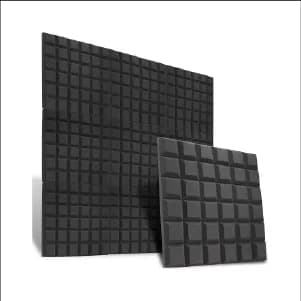
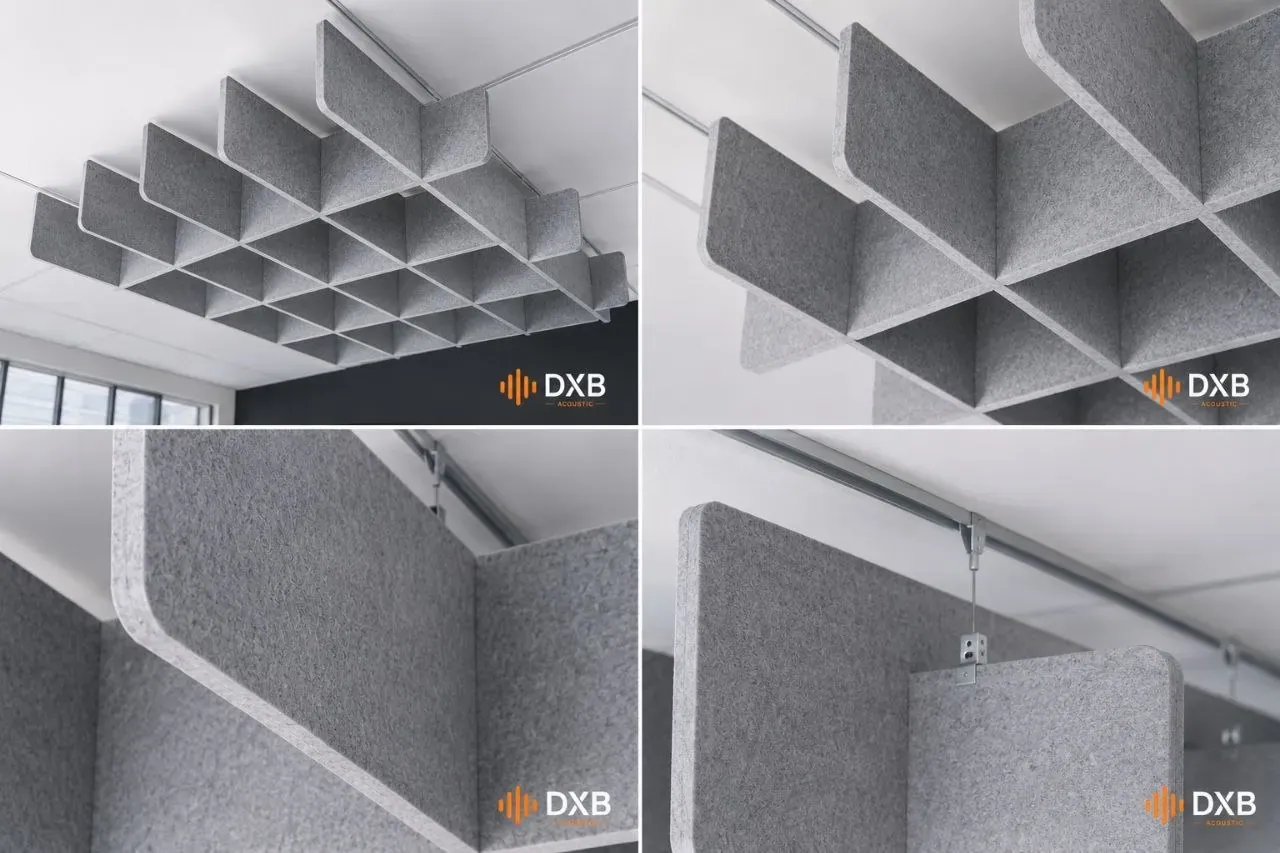
If equipment rooms are located near occupied spaces, sound absorption panels or baffles can be installed on walls and ceilings. These treatments minimise reverberation and prevent noise build-up within the mechanical room.
For more details on acoustic solutions and material applications, visit DXB Acoustic.
Integration with Interior Design
Mechanical noise control is not only a technical process. It also influences design aesthetics. Architects and interior designers in Dubai now integrate acoustic materials as part of their design language. Perforated panels, micro-slit diffusers, and acoustic plasters can visually align with interior finishes while providing high sound absorption.
At DXB Acoustic, we collaborate with design teams to ensure that every acoustic element complements the architectural vision without compromising performance.
Why HVAC Noise Control is Vital in Dubai
Dubai’s climate demands strong air conditioning systems that operate continuously. As a result, HVAC systems are a major source of background noise in most buildings. Without proper acoustic design, this can affect:
Guest experience in hotels and resorts
Concentration in offices and schools
Privacy in healthcare facilities and clinics
Comfort in luxury residences and penthouses
The goal is not to silence the system entirely, but to achieve a balanced acoustic environment. Through mechanical noise control, buildings can maintain functionality while remaining comfortable and peaceful.
For consultation or project support, connect with DXB Acoustic.
How to Plan Mechanical Noise Control Effectively
How to begin
Start by identifying all mechanical equipment locations during the design stage. Early coordination between the MEP consultant and the acoustic specialist prevents conflicts later in construction.
How to measure
Use sound level measurements in decibels (dB) to determine the noise output of fans, compressors, and ducts. Comparing these values with recommended indoor sound levels ensures compliance with international acoustic standards.
How to select materials
Choose acoustic insulation, duct liners, and vibration isolators based on both frequency range and load capacity. Selecting the wrong product can lead to resonance issues or performance loss.
How to maintain
Regular maintenance ensures that dampers, filters, and fans do not develop new noise sources over time. Even a small imbalance in fan blades can increase vibration levels dramatically.
How to verify results
After installation, conduct post-completion acoustic testing to confirm that design targets are met. DXB Acoustic provides on-site testing and verification to ensure real performance matches design expectations.
FAQs
What is mechanical noise in buildings?
Mechanical noise is sound generated by building systems such as HVAC, pumps, fans, and compressors. It includes both airborne and vibration-based noise.
Why is HVAC noise so common in Dubai?
Due to the city’s climate, HVAC systems operate throughout the year. Without proper isolation or duct design, noise can easily travel into occupied areas.
Can acoustic treatment be added after construction?
Yes, but it is always more effective and cost-efficient to include noise control measures during the design phase. Retrofitting is possible using silencers, enclosures, or surface treatments.
Does vibration isolation eliminate noise completely?
It significantly reduces it but does not remove airborne noise. Both vibration control and sound absorption must be combined for full results.
How does DXB Acoustic approach mechanical noise control?
DXB Acoustic uses a systematic approach that involves site measurement, design coordination, and installation of materials tested to international acoustic standards.
Conclusion
Effective HVAC and mechanical noise control is a mark of quality in modern interior design. It reflects attention to detail, user comfort, and engineering precision. As Dubai’s architecture continues to grow in complexity, acoustic design will remain essential to ensure that every interior space performs quietly and efficiently.
For expert guidance on HVAC and mechanical noise control in Dubai, visit DXB Acoustic or contact our technical team for consultation.
Products we'd specify here
The families that most often solve this. Every one is manufactured to size and quoted per project.